Skip to content


Go High Level is a tool that combines several features into one easy-to-use platform. It’s perfect for managing customer relationships, marketing campaigns, and sales processes.
In summary, Go High Level is a comprehensive tool that helps businesses manage everything from customer relationships to sales funnels, all in one place.
It’s designed to save time, increase efficiency, and boost sales, making it an invaluable asset for any business looking to grow.
GHL funnels are marketing tools created using Go HighLevel (GHL), a software platform designed to help businesses attract and manage customers.
Funnels guide potential customers through a series of steps, leading them from awareness to taking action, like signing up or making a purchase.
Think of a funnel like a map that shows people exactly where to go to get what they need. Instead of visiting a website with many links, GHL funnels direct users through a focused, step-by-step process.
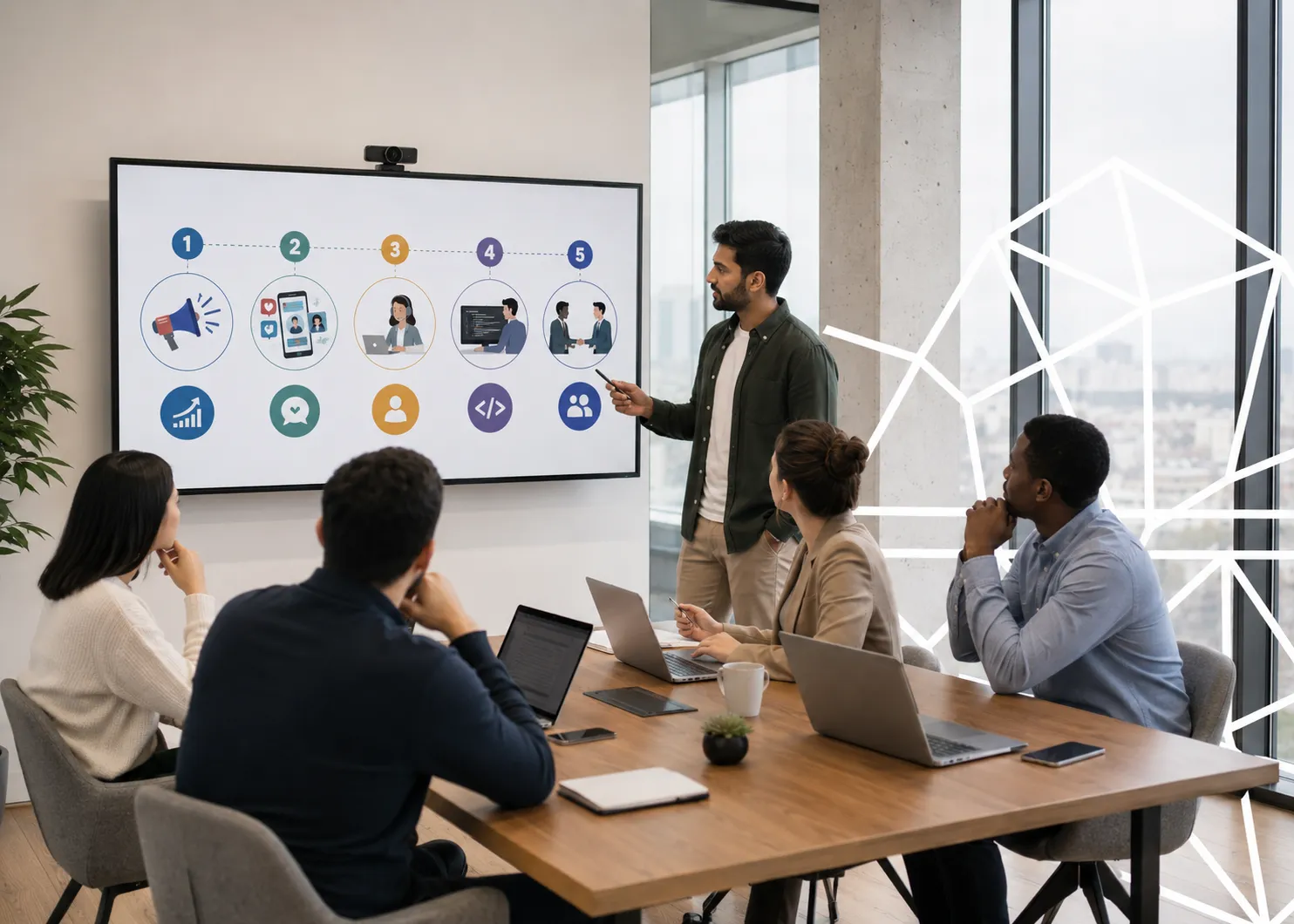
Imagine a sales funnel as a journey your customers take, starting when they first hear about your product and ending when they take action—like buying something or signing up. Let’s break it down into four simple stages:
This is where it all begins! At this stage, people learn about your brand or product for the first time. It might be through an ad, a social media post, or even word-of-mouth.
Think of it as waving at someone from across the street. You’re grabbing their attention and making them curious about who you are and what you offer.
 Tip: Create catchy content that sticks in people’s minds—fun videos, interesting blog posts, or eye-popping visuals.
Now that you’ve got their attention, they want to know more. They might visit your website, watch a demo, or read reviews.
This is your chance to show off what makes your product or service special. It’s like going from waving across the street to starting a friendly conversation.
Tip: Share clear and helpful information that makes people trust you. Use FAQs, tutorials, or success stories to keep them engaged.
Here’s where potential customers weigh their options. They might compare your product to others or think about whether it’s worth the price.
Your job? Make it easy for them to say “yes!” Offer limited-time discounts, free trials, or guarantees to nudge them in the right direction.
Tip: Be super clear about how your product solves their problem or makes their life better.
This is the big moment—they take action! Whether it’s buying your product, signing up, or subscribing, they’ve officially gone through the funnel.
Celebrate this step! Make the process smooth, say thank you, and follow up to keep them happy and engaged.
Tip: Offer a bonus, like a freebie or a thank-you note, to leave a great impression.
By guiding customers through these four stages—Awareness, Interest, Decision, and Action—you can turn curious visitors into loyal customers. It’s like leading them on a friendly adventure that ends with a big win for everyone!
GHL funnels are powerful for businesses looking to progress, offering a clear and focused way to turn interest into results.
Imagine you’re hosting a party. You wouldn’t just tell people, “Come over!” without giving them directions, right? You’d share the time, address, and details to guide them.
That’s exactly what a GHL funnel setup does for your business—it shows people the way to what you’re offering.
Setting up GHL funnels means creating a step-by-step journey that helps potential customers go from curious to committed.
This includes designing landing pages, offers, forms, and automated messages that work together to guide someone toward taking action, like buying a product or signing up for a service.
It’s like building a smooth path so your audience doesn’t get lost or distracted. You’re giving them the shortest route to what they need, whether it’s more information, a free trial, or a solution to a problem.
The main purpose of a GHL funnel setup is to make your business more effective at turning interest into results. Here’s how it works:
Let’s say you’re a fitness coach. With a GHL funnel, you could create:
This setup doesn’t just attract people; it helps them trust you and feel excited to take the next step.
A GHL funnel setup is like having a helpful guide for your audience, taking them from “interested” to “ready to act” in the simplest, most engaging way.
A GHL funnel setup isn’t just a tool; it’s a complete solution that can transform how you attract, engage, and convert customers. Here’s a closer look at the benefits and why they’re essential for your business success:
Time is money, and GHL funnels help you save plenty of both by automating repetitive tasks. For instance:
This kind of automation means you can focus on the bigger picture while your Go High Level CRM handles the details.
With so many platforms and tools available, it’s easy to feel overwhelmed. GHL funnels simplify this by keeping everything in one place:
This streamlined approach reduces stress and helps you manage your business more effectively through Go High Level integrations.
No two businesses are alike, and GHL funnels understand that.
This flexibility ensures your funnel feels like an extension of your business, not a one-size-fits-all solution.
One of the biggest challenges businesses face is keeping customers interested. GHL funnels address this by:
With these features, GHL funnels turn casual visitors into engaged prospects.
A well-designed GHL funnel naturally guides your customers through the buying journey. Here’s how:
This process helps your business close more sales without requiring extra manual effort.
Understanding what drives results is crucial to improving your business strategy. GHL funnels give you:
By knowing what works and what doesn’t, you can make smarter decisions that lead to more growth.
Whether you’re a one-person operation or managing a team, GHL funnels scale to meet your needs:
Creating a GHL funnel might seem challenging at first, but breaking it into clear steps makes it straightforward and exciting!
Before you start with how to build a funnel, take some time to plan out your funnel to set out a strong foundation.
Take notes, sketch a rough outline of your funnel setup, and keep your goals front and center as you move forward.
Your landing page is where users will “land” first, so it needs to grab their attention immediately.
GHL Funnels are like mini-journeys for your users, so each page should naturally guide them to the next step.
Automation is where GHL really shines!
Testing is a critical step to avoid mistakes and maximize success.
Your GHL funnel is ready to go live—exciting! But your work doesn’t stop there.
Planning, designing, and refining each step will create a funnel setup that engages users and drives real results. Dive in, experiment, and don’t be afraid to make adjustments!
Creating a strong GHL funnel is like building a path that makes it easy for people to follow.
Each part needs to work perfectly to guide potential customers toward your goal. Here’s how to make each stage shine:
Landing pages are like a first impression—you want them to be great! Here’s what works:
A CTA is an invitation for your visitors to act. A good one is clear, exciting, and hard to ignore.
Automated emails keep the conversation going after someone leaves your page. They’re like a friendly reminder or helpful guide.
Once your GHL funnel is up and running, tracking and analyzing its performance is essential. Go High Level makes measuring different aspects of your funnel’s success simple and identifies areas that need improvement.
The dashboard is the main control center of your funnel’s performance. It gives you a quick snapshot of important metrics in one place. You can see how many people visited your GHLfunnels, how many signed up or bought something, and more.
The dashboard helps you stay on top of the big picture without diving into details. For example, if you notice a sudden drop in conversions, you can further investigate what’s causing it.
Heatmaps are incredible tools that show where visitors are clicking on your GHL funnel pages. The heatmap highlights areas of the page that get the most attention, helping you identify what’s working and what isn’t.
For example, if a button or link isn’t getting many clicks, you might want to change its placement or design to make it more visible or appealing.
Heatmaps also show where people spend the most time, helping you understand what content grabs their attention.
A/B testing allows you to compare two versions of a funnel page to see which one performs better. For instance, you can try different headlines, images, or button colors to see which gets more people to click.
Go High Level lets you set up tests easily and track the results automatically. You can constantly test small changes to improve your funnel and boost conversion rates.
Reports give you a deep dive into your funnel’s performance. They break down each step of the funnel so you can see how many people entered, where they dropped off, and where they completed an action.
Go High Level’s reports allow you to analyze user behavior in detail, helping you identify patterns and pinpoint areas that need improvement.
For example, if you see many people entering your funnel but few completing the final step, you can adjust the last page or offer to increase conversions.
The conversion rate is one of the most important metrics to track. It tells you the percentage of visitors who complete the desired action (like making a purchase or signing up for an offer).
To calculate it, divide the number of conversions by the number of visitors, then multiply by 100. A higher conversion rate means your funnel effectively guides people to take action.
If your conversion rate is low, you might need to optimize your funnel by tweaking your offer, design, or calls to action.
Engagement measures how actively people interact with your funnel. It includes scrolling, clicking, or spending time on the page. High engagement suggests that visitors are interested in what you’re offering, while low engagement can mean your content or design isn’t appealing enough.
You can check engagement by looking at metrics like time spent on a page and how many pages visitors view. If engagement is low, try testing different headlines, improving your page layout, or offering more value through your content.
The click-through rate shows how many people clicked on a specific link or button within your funnel, like a “Buy Now” or “Learn More” button. It helps you understand how effective your calls-to-action (CTAs) are.
A low CTR can mean the CTA isn’t clear or enticing enough. You can increase your CTR by making your CTA more compelling, using contrasting colors to make buttons stand out, or simplifying the action you want users to take.
Drop-off points are the stages where visitors leave your funnel. If many people drop off at a particular step, it’s a sign that something isn’t working well.
Go High Level lets you see where users leave the funnel, whether at the first step or right before the final action. Once you know where visitors are leaving, you can focus on improving that section by simplifying the form, improving the offer, or addressing concerns with additional information or trust signals.
Knowing where your visitors come from helps you focus your marketing efforts. Traffic sources show whether people found your funnel through search engines, social media, paid ads, or other channels.
Analyzing this lets you understand which sources bring in the most qualified leads. For example, if social media traffic converts well, you might want to run more ads or promotions on that platform to attract more customers.
Once you have your funnel set up, testing and improving it is important. This process is like tuning up a car to make sure it runs smoothly.
By testing different parts of your funnel, you can determine what works best and make it more effective at turning visitors into customers.
A/B testing is like a fun experiment where you try out two different versions of something in your funnel to see which one performs better. Here’s how it works:
You show both versions to different groups of people and see which one gets more clicks or sign-ups. The version that performs better is the one you keep.
A/B testing helps you make decisions based on what real people like, not just what you think will work. It’s like asking a group of friends which pizza topping they prefer—if more people pick one topping, you know it’s the best choice.
Data-driven means using information (like how many people clicked your button or signed up) to make choices. Here’s how you can use data to make your GHL funnel better:
Testing and refining your GHL funnels is an ongoing process. By continually improving it with small changes based on data, you can create a funnel setup that works even better over time, leading to more happy customers!
GHL funnels are like secret weapons for businesses looking to grow. They help you reach the right people, keep them interested, and guide them to become customers.
Instead of wasting time and money showing ads to everyone, GHL funnels allow you to target only those most likely to be interested in your offer.
For example, imagine you run a fitness coaching business. With a GHL funnel, you can create an ad specifically for people looking to get healthier or for busy moms who want quick workouts.
When they click your ad, they’ll be taken to a landing page directly addressing their needs, increasing their chances to sign up.
Not every person who visits your website is ready to buy right away. GHL funnels help by sending follow-up emails that build trust.
For instance, let’s say you sell a skincare product. When someone signs up for more info or downloads a free skincare guide, you can use the funnel to send them helpful tips and reminders about the benefits of your product.
Over time, these emails show them that you’re knowledgeable and reliable, which can turn a curious visitor into a loyal customer.
A significant benefit of GHL funnels is that they work automatically. Once you set them up, they continue running without effort.
For example, imagine you have an online store selling handmade jewelry. When someone visits your website, they can enter their email to get a discount on their first purchase.
Once they do, the GHL funnel sends them a welcome email with their discount code and keeps sending helpful emails about new products. This all happens automatically, even while you’re busy with other tasks!
GHL funnels give you the ability to track how well they’re performing. Let’s say you’ve created a funnel to promote a special event, like a webinar on social media marketing.
The funnel will show you how many people clicked on the registration link, signed up, and showed up to the event. If you notice that a lot of people are dropping off after signing up but before the event, you can adjust your funnel—maybe adding reminders or incentives to get them to attend.
This constant feedback helps you improve your funnel for better results each time.
Funnels allow you to make special offers at key moments to encourage action. Imagine you run a photography business, and someone visits your website to check out pricing for family portraits.
After they look at your pricing page, your funnel could offer them a limited-time discount for booking a session within the next 48 hours. This sense of urgency can motivate them to take action quickly, turning a potential lead into a paying customer.
GHL funnels are designed to take people who show interest and guide them toward making a purchase. For example, you run an online course teaching how to start a small business.
When someone clicks on your ad and lands on your funnel’s landing page, it offers them a free mini-course. After they complete the free course, the GHL funnel encourages them to buy the full course.
The funnel doesn’t just collect their information—it also guides them to becoming a paying customer.
Imagine you own a fitness business, and you want to grow your customer base. With GHL funnels, you can create an ad targeting people looking for fitness classes in your area. When they click on the ad, they land on a page offering a free class week.
After they sign up, your funnel continues to send them emails with fitness tips, motivational content, and reminders to join your next class. You could even offer them a special membership deal toward the end of their free week.
The GHL funnel helps you take that initial interest and turn it into long-term customers!
GHL funnels guide potential customers through each stage of the buying journey. Imagine you’re shopping for a new phone online. Instead of clicking through a bunch of different pages and getting lost, a funnel might start with an ad saying, “Get 10% off your first phone purchase.”
Once you click, the funnel takes you directly to a page where you can learn more about the phone, check out customer reviews, and then guide you to another page where you can easily purchase.
This clear, step-by-step flow makes it less confusing and more likely that you’ll buy something.
Example: A local gym might use a GHL funnel that starts with a free trial offer. When people click on the ad, they are taken to a page with a quick sign-up form. After entering their details, they can immediately book their first class without any extra distractions.
One of the best ways to grab someone’s attention is by offering them something of value. GHL funnels allow businesses to do this by offering discounts, free downloads, or free trials.
This helps businesses stand out and draw in people who might not have been interested otherwise.
Example: A cosmetics company could create a GHL funnel that gives a free skincare guide when someone subscribes to their newsletter. After downloading the guide, the customer might be shown a special promotion for a skincare set, leading them to purchase.
The initial freebie is just the first step in bringing customers closer to buying.
One of the biggest advantages of GHL funnels is that they help businesses collect valuable customer information. This includes things like emails, phone numbers, and other contact details.
Once you have this information, you can follow up with potential customers in a more personalized way, increasing the chances of turning them into paying customers.
Example: A pet store might offer a free e-book on “How to Train Your Puppy” in exchange for an email address. After a person downloads the book, the store can send them follow-up emails with tips, product recommendations, and special offers tailored to their pet’s needs.
This keeps the store top-of-mind and makes it more likely that the customer will buy products in the future.
Traditional advertising can feel like throwing darts at a wall, hoping one hits the target. With GHL funnels, businesses can target specific audiences, ensuring their marketing efforts are directed only at those most likely to be interested in what they offer.
This saves money and time because you’re not wasting effort on people who aren’t interested.
Example: Let’s say a new online game is being launched, and the funnel targets people who have shown interest in similar games or have visited gaming websites. The funnel could start with a special offer for a discount on in-game purchases for those who sign up for updates.
By targeting gamers who have already shown interest, the chances of getting sign-ups are much higher.
Another key feature of GHL funnels is their ability to track everything that’s happening in the marketing process. You can see how many people clicked on your ad, how many visited your funnel, and how many completed the final action (like making a purchase or signing up). This data allows businesses to adjust their strategies based on what’s working and what’s not.
Example: A clothing store might notice that many people enter the funnel, but only a few make a purchase. By analyzing the funnel’s performance, they might find that a certain page is causing people to leave, like a complicated checkout process. With this insight, the store can simplify the process, leading to more purchases in the future.
If you want to get more people to take action with your GHL funnel, here are 10 tips to make your funnel more effective. These ideas will help turn interest into real results!
People don’t like complicated websites. Keep your funnel easy to follow, with clear steps. Avoid clutter and ensure everything is straightforward so users know exactly what to do next.
A clean and simple layout will prevent users from feeling overwhelmed, encouraging them to stay engaged.
Your headline is the first thing people see, so it has to grab attention. Make sure it’s clear and exciting, and tell them what benefit they’ll get by staying on your page.
A good headline explains why your offer is worth their time, creating curiosity and making visitors want to read more.
People are more likely to stay on a page with interesting visuals. Use images or short videos that help explain your product or service and make the experience more fun.
High-quality visuals can clarify your message and build emotional connections with visitors, helping them trust your brand.
Your CTA is the button or link that tells users what to do next, like “Get Started” or “Claim Your Offer.” Make sure it stands out, and use action words that make people want to click. Y
our CTA should also be placed where users will see it easily and repeat it throughout the GHL funnel, guiding them toward conversion.
Everyone loves free stuff! Offering a freebie, like a guide, checklist, or trial, encourages people to continue through your funnel. It builds trust and shows the value of what you’re offering.
A freebie also reduces the risk for potential customers, making them feel more comfortable moving forward with your offer.
If others have liked or used your product, let new visitors know! Add customer reviews, testimonials, or case studies to show that others trust your product or service.
Seeing real people vouch for your product creates confidence, showing potential customers they’re making the right decision.
Not every GHL funnel will work perfectly the first time. Test different headlines, images, and CTAs to see what works best. Small changes can lead to big improvements in conversions.
By running A/B tests, you can identify which elements perform better, ensuring you get the best results.
Forms asking for information should be as simple as possible. The more fields you ask people to fill out, the less likely they are to complete the form.
Only ask for what you really need. If you must ask for more information, break it into smaller steps so users don’t feel overwhelmed by long forms.
When people feel like they might miss out, they take action faster. Use phrases like “Limited time offer” or “Only a few spots left” to encourage users to act quickly.
Scarcity adds excitement and urgency, making users feel they must decide now rather than later.
Once someone enters your funnel, don’t forget about them! Send follow-up emails or text messages that remind them of what you’re offering and encourage them to finish the process.
Personalizing these messages based on their actions in the funnel can increase the chance they’ll convert, keeping them engaged and interested.
Creating high-converting sales funnels with Go High Level can transform your business by automating your marketing and sales processes, driving more leads, and increasing conversions.
By following the steps outlined—identifying your target audience, creating compelling offers, designing effective landing pages, nurturing leads through email marketing, and leveraging analytics—you can build a robust funnel that works tirelessly to grow your business.
At Soltiks, we understand that each business is unique, and our team of experts is dedicated to helping you tailor your Go High Level sales funnel to meet your specific needs.
Whether you’re just getting started or looking to optimize existing funnels, we’re here to support you every step of the way.
Ready to elevate your sales and streamline your marketing? Contact Soltiks today to schedule a free consultation and discover how we can help you create high-converting sales funnels with Go High Level.
Together, let’s turn your vision into reality!